
AMD was one of the main organizations in Austin to buy green force through the Austin Energy Program and has kept on buying into ensuing clusters of environmentally friendly power energy offered since the program was dispatched in 2000. While there is a ton of interest in catching the estimation of fixed-cost sustainable force, it may not be clear to execute in a green force program. Power to Choose Alternative have different scope according to the current range of energy source. The accompanying segments look at the challenges that utilities face when at first deciding a cost of a green force item and taking into account how it could/should change after some time. This part investigates approaches for estimating green force by thinking about how utilities commonly set their rates and record for the expense differential between sustainable power and traditional fuel sources.
In the most straightforward sense, power rates reflect cost recuperation of a utility’s ventures and working costs
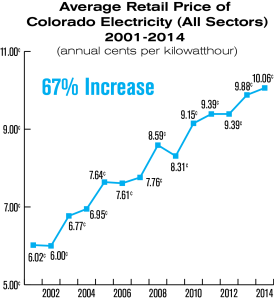
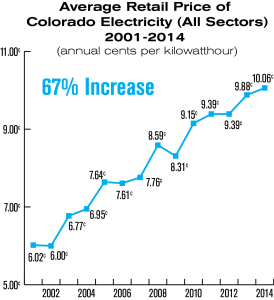
These expenses include: 1) possessing age, 2) claiming transmission and conveyance resources, 3) a profit from claimed resources, 4) bought power agreements, and 5) recuperation of different working costs, including fuel expenses, upkeep, and organization. Age, transmission, and conveyance costs are customarily folded up or packaged together into a utility’s rate also, not followed independently in customarily controlled power markets. Since utility expenses are packaged together, all age assets are consolidated to make a utility “framework blend” of age. At the end of the day, utilities don’t regularly recognize singular











 English